Last night S, N, and I were sitting after dinner. During conversation, S, not ununusually at all, used the word ‘we’ to refer to all the people of her ethnicity. Somehow this caught N’s fancy and he recalled a talk from his old workplace many years ago. The person talking was a Canadian astronaut who had been part of a mission to the International Space Station.
The astronaut, a Canadian born in Toronto, recalled that when he went to school as a child, he’d use ‘we’ to refer to ‘himself and his family’. Later, when he moved to a different city, he used ‘we’ to refer to people from Toronto. When he moved to the US, he’d use ‘we’ when talking about Canadian people. When he went to space, he used ‘we’ for all life on Earth. “On a large and far enough scale, everything makes sense,” I thought. “This planet becomes one single living cell and whole continents become organelles. Entire species become little food particles. Perfectly logical, yes. And incredibly beautiful.”
“As humans, we are accustomed and conditioned to find patterns in nature. Sorting good berries from bad berries must have been an important life skill, in the distant past. Soon enough, it became important to sort friends from family, the good from the evil. The skill worked well for us and soon we were weighing our very atoms and sorting them into groups and periods.”
N noted that as we travel around and experience different cultures, what we really are doing is just expanding our version of ‘we’.
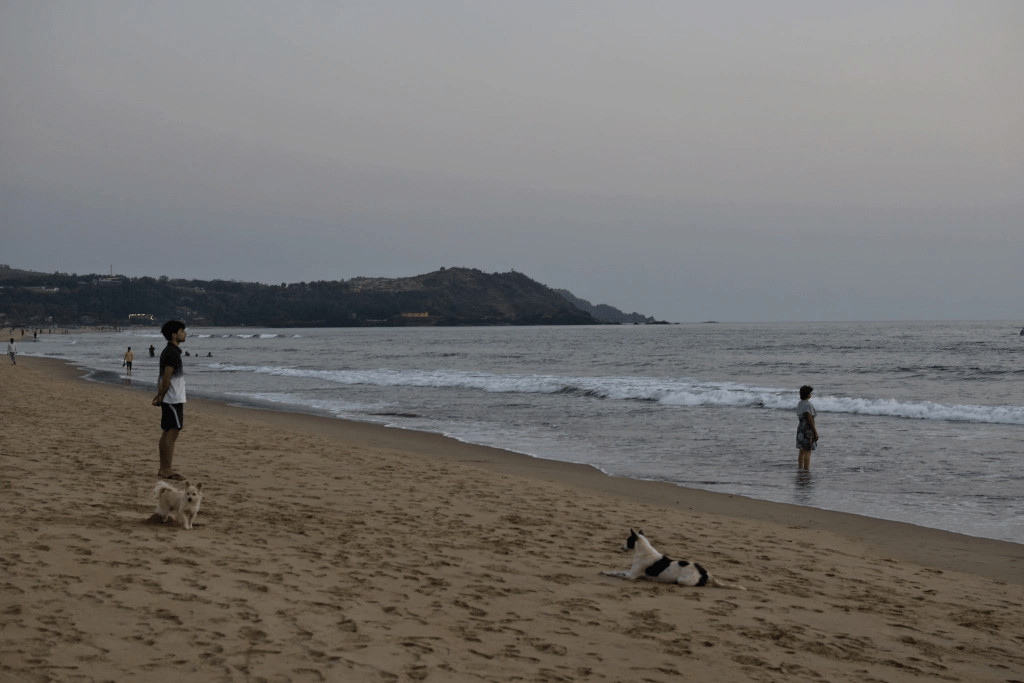
Earlier this year, sometime in March, I met Nazenin and Peter at a beach on the Indian East Coast.
Nazenin used ‘we’ when she talked about Iran, and Peter used ‘we’ for Washington DC. And I used it for Kashmir. We spent most of the day at a shack, having one pancake after another, and meeting more people. Some used ‘we’ for Ukraine, and some used it for England.
Differences melted over lunch and endless teas. If someone new were to join us for dinner, they would be a stranger while we would call ourselves ‘we’. Another dinner and perhaps the stranger too would become part of ‘we’.
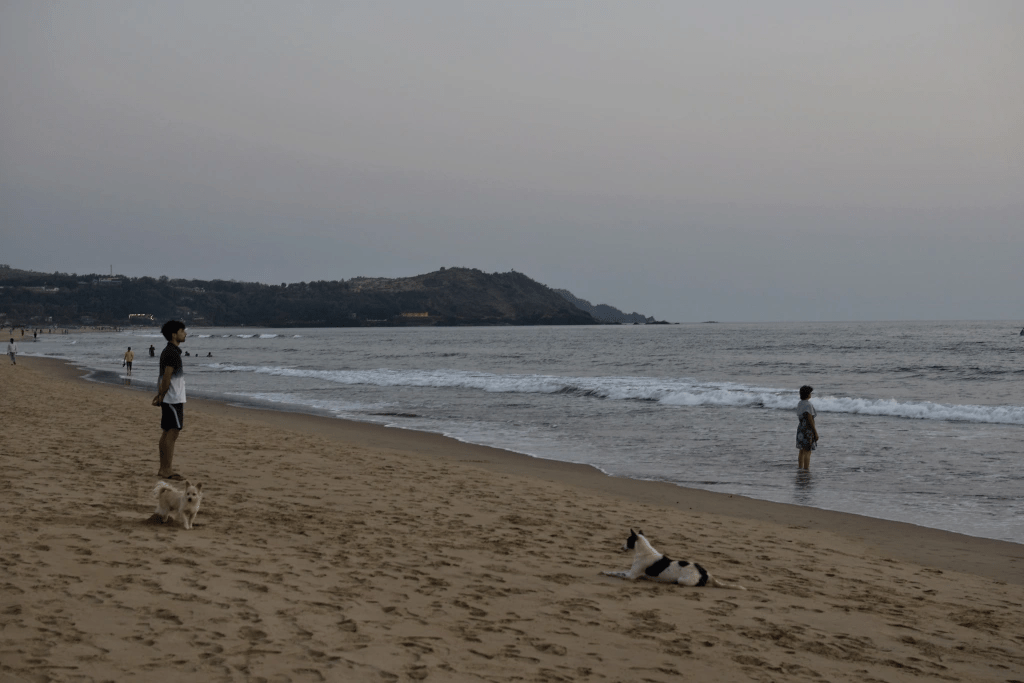
In the evening, Nazenin suggested that we play ‘fael’. Literally, fael just means ‘verb’ – used to describe an action, a state, or an occurrence. One by one, we would think a question into existence and put it forth into the universe. We’d flip open Peter’s copy of Diwan-e-Hafez to any random page, and Nazenin would then read out the answers to the questions. Hafez’s poetry, they agreed, held answers to all human dilemmas.
Sometimes she read the answer first and then asked us what the question was. Other times, we kept the questions to ourselves. Peter translated each line into English, word for word first and then altogether, as Nazenin recited what Hafez had to say.
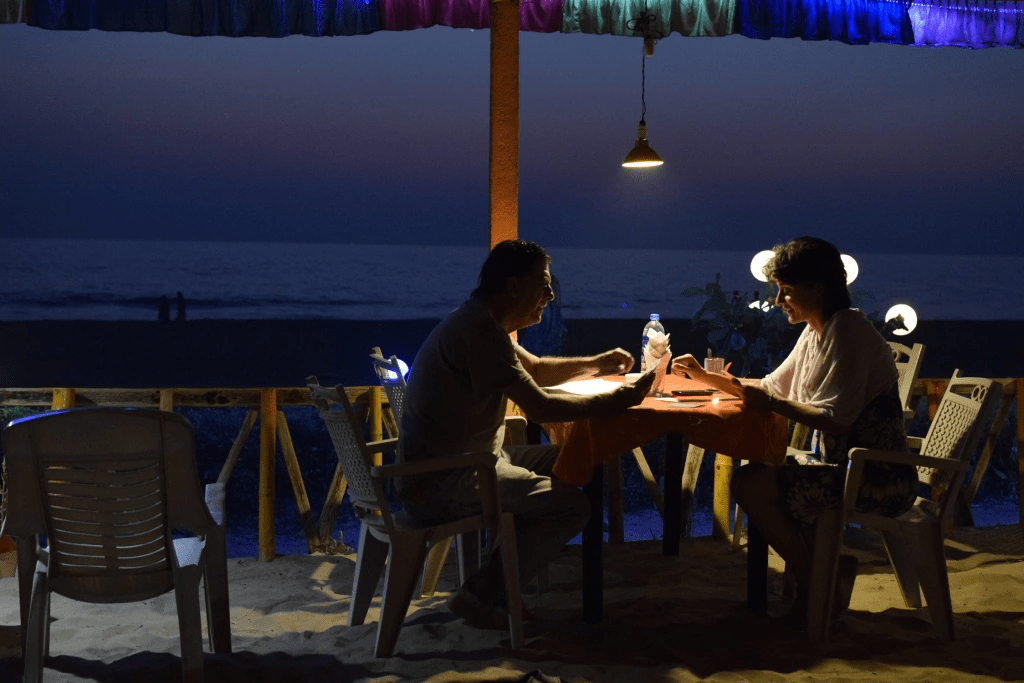
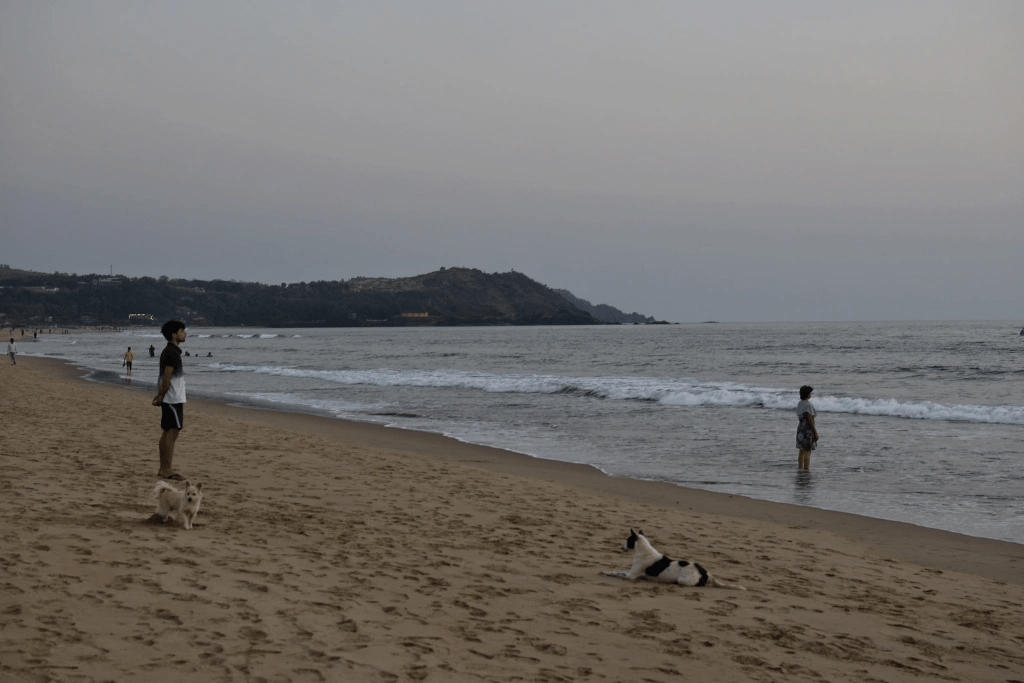
Late in the night, after we had had dinner, I had one last question for the universe. “Where am I supposed to go from here” I asked. Before reading out Hafez’s reply, Nazenin asked “What makes you think you’re travelling alone?”
 Usman Riaz
Leave a comment